



A respiratory illness driven by viral or bacterial infections,
presenting diverse symptoms by age and pathogen.
presenting diverse symptoms by age and pathogen.
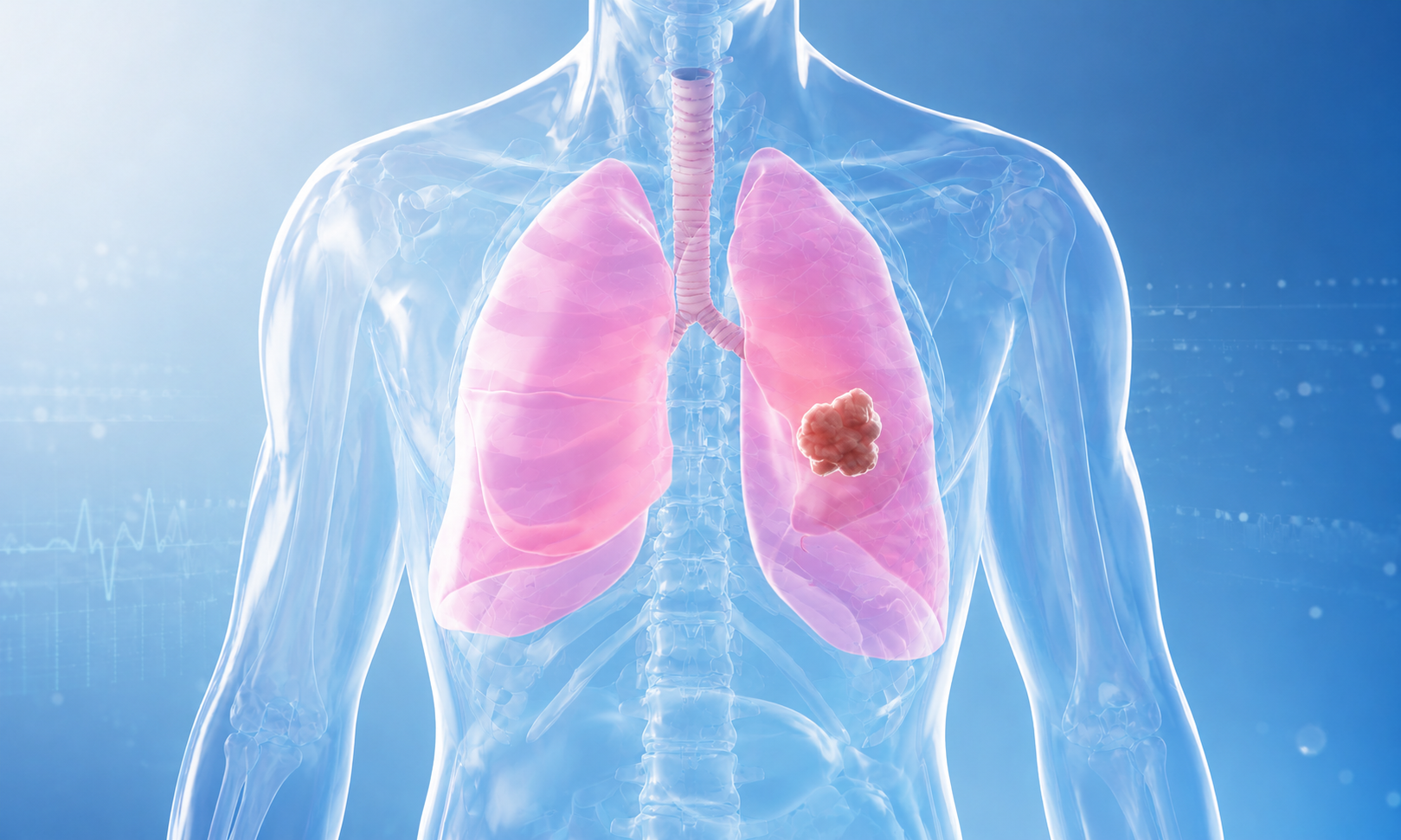
Beginning with mild cold or flu symptoms, the disease progresses to a lung infection that inflames and narrows bronchioles, filling alveolar spaces with pus or fluid, which severely blocks vital oxygen supply and triggers acute dyspnea.
Pneumonia
Symptoms
-
01
High Fever
-
02
Chills & Shivering
-
03
Cough with Chest Pain
-
04
Headache & Muscle Aches
-
05
Heavy & Wheezing Breath
-
06
Cyanosis (Blue Lips & Nails)
-
07
Gastrointestinal Symptoms
-
08
Infant Intercostal Retractions
Pneumonia
Types & Differences
Pediatric pneumonia is primarily viral, with clinical symptoms and treatments distinct from bacterial types.
Classification
Bacterial Pneumonia
Viral Pneumonia
-
Target Population
All age groups affected
Highly vulnerable in infants and children
-
Symptom Profile
- Sudden high fever over 38.3°C
- Rapid disease progression
- Tachypnea (rapid breathing)
- Milder clinical onset than bacterial types
- Chlamydia: Prominent conjunctivitis in infants
- Pertussis: Cyanosis, severe cough, and wheezing
-
Treatment & Prognosis
- Targeted antibiotic therapy
- Clinical improvement within 24-48 hours
- Antiviral therapy and supportive care
- Full clinical recovery takes 2-4 weeks
Pneumonia
Treatment FAQ
-
- Most cases are manageable with oral antibiotics via outpatient clinic visits.
- High fever or severe dyspnea necessitating continuous oxygen therapy.
- Infants under one year old diagnosed with clinical pneumonia.
- Dehydration or persistent vomiting preventing oral medication intake.
- Patients with chronic underlying heart, lung, or immune system diseases.
- Cases presenting with recurrent or non-resolving pneumonia episodes.
-
- Most cases can be effectively managed and treated at home with proper care.
- Strictly adhere to prescribed antibiotics, antipyretics, and analgesics.
- Ensure sufficient rest and optimal hydration; increase nursing for infants.
- Elevate the upper body with pillows rather than lying flat to ease breathing.
- Take prescribed pain relievers if experiencing severe pleuritic chest pain.


 02
02